Last weekend’s exhausting trek made you an easy target for the ultralight backpacker. You were surprised to cross paths with someone who had hiked double the mileage without showing signs of fatigue while your pack felt too heavy to carry around. This encounter opens up a world of possibilities and encourages us to reconsider our usual approach towards outdoor expeditions – gaining insight into what it takes for successful ultralight backpacking.
Get More Done With Less
Heading out into nature can be a tempting invitation to pack all the amenities–but too much gear is quickly revealed as an obstacle on the trail. No matter how appealing, those chairs, bottles of wine and rafts only slow you down after just one mile! With every step made heavier by excess weight, it’s enough for any hiker-in-the-making to want to reconsider their journey altogether.
Are you ready to plunge into life off the grid and explore everything nature offers? If so, prepare yourself for complete immersion – packing light will help ensure that your journey is as effortless as it can be. With less weight on your back, more miles become accessible, letting you savour every wild moment!
When Backpacking, Think About What You Really Need
Are you ready to take the plunge and go backpacking? Before you get too carried away filling your bag, let’s look at what needs to be included for an adventure-filled journey.
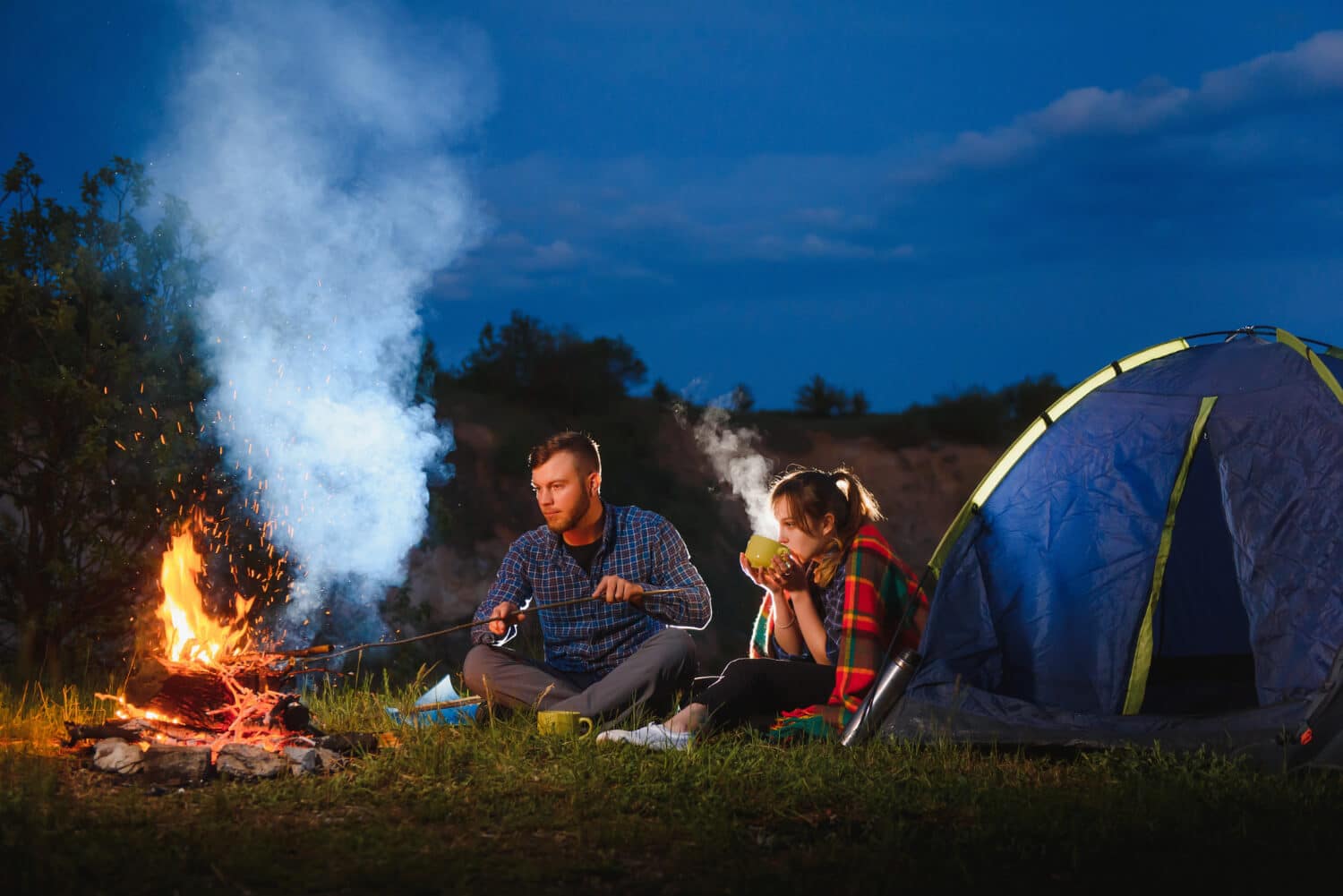
(a) To get a good night’s sleep in the great outdoors, you’ll need some shelter. Whether it be a tent to keep out rain and wind or just an intuitively-tied tarp for protection from pesky insects – having something between yourself and Mother Nature is vital!
(b) Sleeping System – Ensure a restful sleep while camping with the perfect sleeping combination: a good bag and pad. The insulated sleeping bag will keep your body at optimal temperature, encouraging proper blood flow throughout the night. Remember to bring along an insulating sleeping pad – even minimalist hikers understand it’s essential to block cold temperatures from reaching you through the ground! With these two items combined, you’ll never have to worry about getting that necessary shut-eye in nature again!
(c) Make sure to bring clothes that can keep up with your active lifestyle and protect you from the sun’s UV rays. Wait to dig into those extra items; remember, less is more when packing! Don’t be afraid to get wild when out in nature’s elements – like forgoing pyjamas for an all-natural slumber.
(d) Cooking Supplies – Make your camping trips feel like home with a stove and pot! Whether you prefer an ultra-lightweight butane model’s convenience or getting in touch with nature over a campfire flame, having hot meals after long hikes is always incredibly rewarding. Try aluminium or titanium pots for those looking to save weight without sacrificing quality – they can make all the difference!
(e) Fueling your journey doesn’t have to be a back-breaking experience – dehydrated meals and compact items can help you lighten the load while ensuring that your nutritional needs are met. Taking time to map out an appropriate calorie intake for each day of the trek will leave you with more room in that precious pack space, enabling even further adventures!
(f) Ultralight Water Purification System – Need the perfect water filtration system that won’t weigh you down? With options like iodine tablets, gravity filters and more – lightweight ultralight systems are ready to help provide clean drinking in a snap! Find your ideal solution now.
(g) Outer Layer – Why not take advantage of multi-purpose items when deciding what to bring on your next trip? A waterproof jacket is a perfect example – its fabric provides insulation for winter months and protection from rain during summer. With a reliable outer layer like this in your bag, you’re sure to be well-equipped no matter where you go!
Make sure you are prepared for your next outdoor adventure with the essentials: a shelter, sleeping system, clothing, cooking supplies and food – plus an outer layer. Streamline what you take camping by focusing on only bringing necessities – all other items can be left at home! Lighten up your gear without sacrificing safety or comfortability so that it makes adventuring even more enjoyable.
Backpacking Redundancies
Andrew Skurka is a legendary backpacker! His unique mantra – “reduce redundancies” – perfectly encapsulates the key to practical backpacking. By prioritizing multi-use items and eliminating excess weight, you’re sure to have an enjoyable & successful adventure in nature’s backyard.
If you’re looking to lighten your load, we have the perfect solution: time-tested tips and tricks for ultralight backpacking! Get ready to explore with a lighter pack.
(1) Sleep In Layers – Don’t let a bulky sleeping bag weigh you down when camping. Instead, layer up with clothes and even a rain jacket to stay warm at night—it’ll reduce the size of your pack for more freedom!
(2) Backpack As A Sleeping Pad – With the right backpack, you can have more than just a trusty companion on your travels – it can double as a sleeping pad and pillow! Reducing unnecessary bulk in your pack is always appreciated. Why not take advantage of what you’re already carrying by turning that handy bag into two items? Use it for added comfort during an afternoon nap or to save room when needing extra cushioning at night.
(3) Cook In Cold Water – Take your water’s boiling to rehydrate, though – a great trick while camping is soaking the food in warm-ish (not hot) water before you set off. Not only will this save time on cooking later, but some foods can be eaten directly from their pouch for an extra energy boost! Try it out and see if cold meals work for you.
(4) Cut Off Extra Material – Every gram counts! Scrutinize your backpack for ways to lighten the load. Could you replace those long straps with shorter ones? Is that stuff sack necessary, or can you simply roll up your tent and save a few more grams? Now’s also the time to get creative: break that toothbrush in half, tear off labels from food containers – every bit of effort will help make carrying around all this gear much easier on your way out there!
(5) Drink One Litre Of Water When You Refill – A clever trick is to drink an entire litre of water when stopping at a watering hole to lighten your load on the trail. But if you’re up for taking it one step further and cooling off in hot weather – why not pour another litre over yourself? Refill both after that, and enjoy being refreshed!
(6) Record All The Gear You Use – Want to make your next camping trip a breeze? Take note of all the supplies you use, then on each successive outing, don’t bother bringing anything that didn’t get put into play. With this methodical approach over time, you’ll be an absolute pro at packing light and efficiently!
Ultralight Gear
Lightening your load with lightweight gear can make a difference as you journey farther and longer on the trail. Regarding splurging for top-tier products built to last, here are some items worth serious consideration!
(I) Ultralight Backpack – Planning a long-distance hike? Invest in a lightweight backpack for maximum comfort! Low-budget models can be bulkier and heavier than desired, often weighing over 1 kilo. But don’t worry – today’s backpacks are made with high-tech materials that drastically reduce weight without diminishing quality or durability. This investment may make all the difference on your journey!
(II) Ultralight Tent – Upgrade your camping adventures with a top-tier tent! Not only are these shelters incredibly lightweight, but they also provide complete protection in an ultra-compact design. The sky’s the limit when it comes to cutting weight while still providing shelter – so even if you prefer tarps or hammocks, plenty of options exist for lightening your load and enjoying time outdoors like never before.
(III) Down Sleeping Bag – With its lightweight and compact design, my down sleeping bag is the perfect companion for any outdoor adventure. And because it’s made of luxurious down feathers, you’ll get great insulation in even the most extreme temperatures – making your next camping or hiking trip super cosy without breaking the bank!
(IV) Ultralight Stove – When it comes to lightweight backpacking, you can’t beat the convenience of a butane stove. But if lightening your load is essential for trekking adventures, why not think outside the box? For example, You could opt for an alcohol-powered campfire and ditch carrying any stove – after all, nothing beats packing lighter!
By investing in the basics, you can make your pack lighter and increase its capacity – allowing for more efficient long-distance adventures or simply making weekend hikes a whole lot easier. If ultralight backpacking is on your agenda, reducing weight through strategic adjustments to what’s being packed will get you further than acquiring lightweight products alone. So start counting those ounces because 10 fewer pounds of gear means 30 miles available before sundown!
Ultralight Footwear
If you’re hitting the trails, do not make any assumptions about what footwear to use! Many myths circulate around proper foot protection for hikers – that large ankle-covering boots are automatically safe and necessary when carrying a heavy pack. But this isn’t necessarily true; twisting an ankle in the backcountry can be dangerous, no matter your shoe choice. So put those myths aside on your next outdoor adventure and take time to consider different protective options!
A US Army study discovered that heavy hiking boots can significantly hinder your outdoor adventure. That extra weight on each foot is like carrying an additional 5 lbs on your back! Not only does this make the hike more difficult, but it also increases fatigue and lowers stability – leading to hazardous situations such as sprained ankles. To stay safe while trekking through nature’s terrain, reduce the burden of bulky footwear for peace of mind during every step forward.
Going hiking? Choose your footwear carefully! Lightweight shoes are always a great choice to reduce the strain on your body and make it more pleasant. This can help you avoid soreness or injuries like sprained ankles. Opting for low-cut options will strengthen those all-important ankle muscles over time – everything nature intended us to do as humans is possible with good shoes! Trail runners feature thick soles perfect for rocky surfaces yet remain incredibly lightweight – they’re worth considering when planning an outdoor excursion.
Are Waterproof Shoes Worth The Investment?
Absolutely Not!
When shopping for shoes, we’re often tempted by the ‘waterproof’ label. Unfortunately, no shoe is genuinely 100% waterproof – so it’s wise to understand why this isn’t possible before you part with your hard-earned cash… Let’s dive into the details and discover what makes a ‘good water-resistant shoe’.
(a) Waterproof Membranes Break Down – Your hiking shoes can take you an impressive distance with proper care and attention. Although they may last up to 500 miles on average, the waterproof membrane that shields your foot is much more delicate; it will only go so far! This thin and lightweight material has just a fraction of its companion’s durability – usually around 100 miles or less due to wear from bending against rocks during hikes. So make sure you look after those beloved shoes for longer-lasting natural adventures!
(b) Your Shoes Will Never Dry – For those looking for an extra layer of protection against the elements, “waterproof” might seem like a good solution– until your feet surprise you with wet socks. This can occur due to both perspiration or damp surfaces, and it’s all down to breathability – waterproof materials don’t provide much ventilation! Although not ideal in some cases, these membranes still work wonders at keeping moisture sealed away from our skin.
(c) Waterproof Shoes Are Heavy – Even if you need more clarification on the waterproofing claims, these shoes are indeed heavier. Instead of choosing a style with this extra layer for water protection, opt for lighter trail runners that will provide your feet better ventilation and dry them faster than Waterproofs could ever manage. Let’s make wise decisions when selecting footwear – I’m here to help!
Ultralight Backpacking Most Important Aspect
Embarking on a weight-conscious backpacking trip will make all the difference in enjoying and making memories of your journey! Strategizing ahead of time allows you to account for each detail, from every piece of gear that needs bringing along to how many calories should be consumed. By cutting down on excess items and being mindful of nutrition, you can easily enjoy longer trails like the Appalachian Trail – an invaluable way to optimize your trekking experience.
To truly explore the world, you must focus on quality over quantity. Ditch unnecessary items and invest in necessary upgrades – your journeys become even more fulfilling! Let’s get out there and experience all that nature has to offer!